Introduction
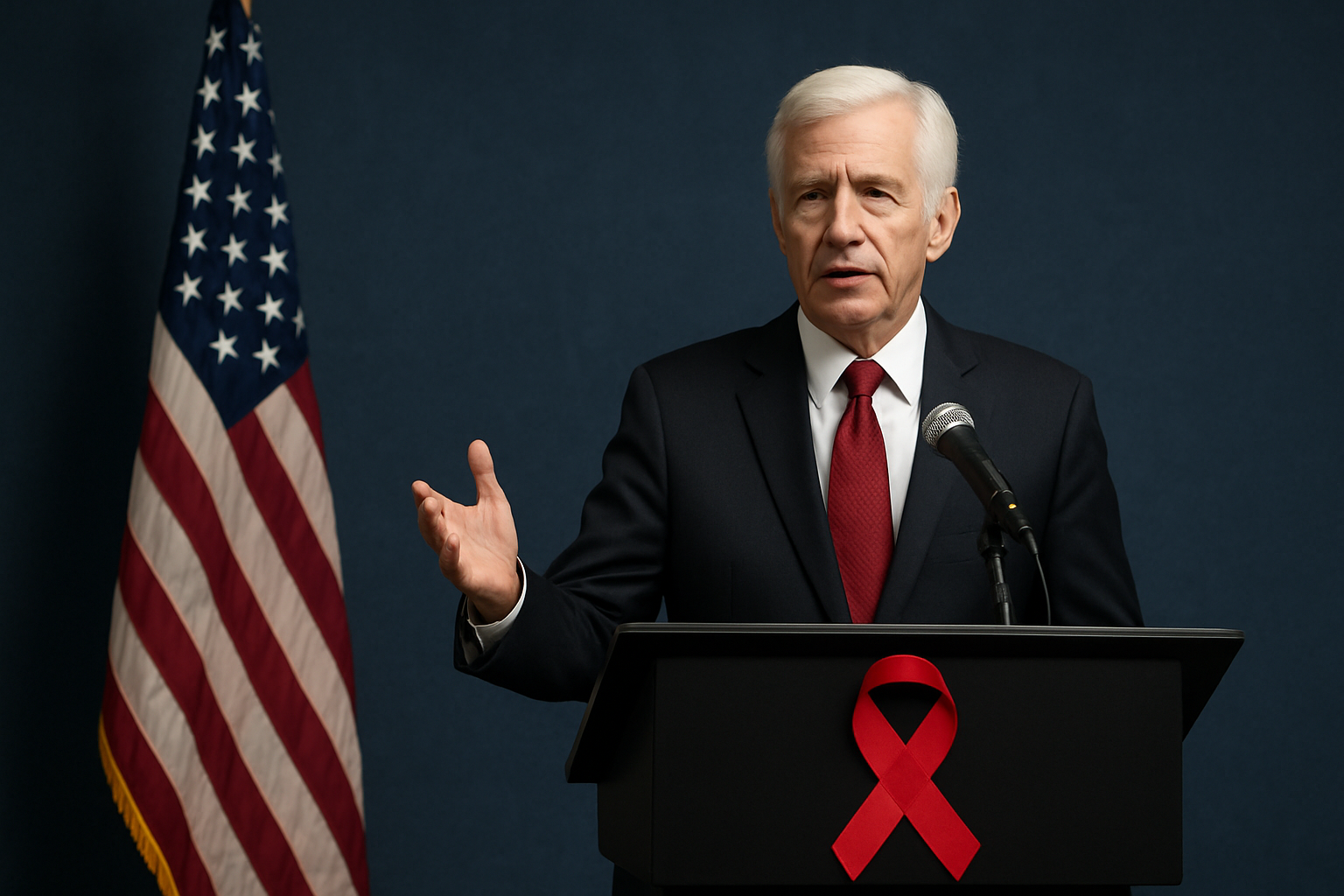
In a move that has sparked widespread debate within the global health community, the United States government has decided that it will no longer officially commemorate World AIDS Day, an observance recognized worldwide each year on the first of December. This marks a significant departure from more than three decades of tradition during which the United States played a central role in raising awareness, supporting public campaigns, and highlighting the need for sustained global efforts in combating HIV and AIDS. The policy change has prompted questions regarding the future of national and international commitments to fighting the disease and has raised concerns about the message this decision sends not only to the American public but to the millions of people globally who continue to live with HIV.
Background Of World AIDS Day And Its Importance
World AIDS Day was established in the late nineteen eighties to bring global attention to the growing epidemic of HIV and AIDS, a crisis that at the time was claiming hundreds of thousands of lives and creating unprecedented health, social, and political challenges. The annual observance became a moment for honoring those who had lost their lives, supporting people living with HIV, advocating for increased access to treatment, and encouraging the international community to remain committed to ending the epidemic.
Over the years, the day became deeply symbolic of both progress and ongoing challenges. It served as a rallying point for public health leaders, governments, non governmental organizations, activists, and entire communities. Through campaigns, speeches, ceremonies, and public education events, World AIDS Day raised awareness about the need for testing, prevention, and treatment. It also helped to reduce stigma, an often overlooked but critical barrier that prevented countless individuals from seeking the medical care or emotional support they needed.
The New Policy Shift And Its Stated Rationale
According to the reasoning provided by officials behind the decision, the administration believes that awareness days alone do not constitute substantive public health strategy. In their view, the focus should be placed on direct interventions, measurable outcomes, and bilateral cooperation with partner nations, rather than on public observances or symbolic events. They have argued that prioritizing concrete actions over ceremonial recognition represents a more efficient and results driven approach to health policy.
However, many public health professionals argue that this interpretation misunderstands the complementary nature of awareness campaigns. They assert that public observances do not replace programs or funding but rather enhance them by maintaining visibility, generating political attention, and keeping the public informed about ongoing challenges. Symbolic recognition, they argue, plays an indispensable role in mobilizing support and encouraging meaningful engagement with health issues that remain highly relevant but often receive insufficient attention.
Reactions From Advocates And Public Health Experts
The response to the announcement has been swift and critical among health advocates, researchers, clinicians, and organizations dedicated to fighting HIV and AIDS. Many expressed alarm, stating that ending official recognition could reduce national awareness, weaken political momentum, and lessen the pressure on policymakers to maintain funding for prevention and treatment efforts.
Public health leaders emphasize that HIV remains a serious global issue. Millions of people still live with the virus, and thousands are newly infected each year. Although medical advancements, including antiretroviral therapies and preventive strategies, have transformed HIV from a once fatal illness into a manageable chronic condition, access to treatment is still uneven. Without consistent advocacy and public visibility, progress could stall or even reverse.
Organizations that work directly with communities disproportionately affected by HIV, such as LGBTQ groups, youth based groups, and minority health programs, also expressed concern. For many vulnerable populations, government recognition of World AIDS Day represents more than symbolism; it is an acknowledgment of their experiences, struggles, and rights. Removing that acknowledgment may heighten feelings of stigma, reduce the importance of awareness campaigns, and undermine decades of progress made in shifting public attitudes.
The Role Symbolic Recognition Plays In Public Health
Despite the view that awareness days are merely symbolic, history shows that such observances play a powerful role in public health. Awareness events often spark conversations that lead to policy changes, attract media attention, mobilize funding, and reinforce the importance of continued medical research. They also serve to humanize the issue, reminding society of the lived experiences of individuals who rely on public understanding and resources to survive.
Symbolic recognition can also have a profound psychological and social impact. For people living with HIV, public acknowledgment contributes to reducing stigma, fostering inclusion, and reinforcing the rights of individuals whose voices too often go unheard. For policymakers and international partners, observances such as World AIDS Day function as benchmarks, reminding them of existing commitments and the necessity for ongoing action.
Ending official participation in such observances may weaken these positive effects. Without national messaging, public awareness may decline, reducing the visibility of HIV as an issue that still requires active engagement. Public health campaigns often rely on national support to amplify their reach, and losing this backing may hinder their effectiveness.
Potential Consequences For Domestic And Global Health Efforts
The decision to end official recognition of World AIDS Day may have several significant consequences. Domestically, the absence of federal participation could lead to decreased public awareness and lower levels of engagement in testing, prevention, and treatment programs. Individuals who do not perceive HIV as a continuing concern may be less inclined to seek testing or adopt preventive measures.
Public health advocates warn that reduced visibility could also slow progress toward meeting national targets for reducing HIV transmission. The United States has made strides in recent years in expanding access to testing and treatment, particularly in underserved communities, but achieving long term reduction in new infections requires continued public awareness and consistent messaging.
Internationally, this shift could affect the global perception of America’s role in health diplomacy. For decades, the United States has been a leader in global HIV efforts, not only through financial contributions but also through symbolic support. Ending participation in World AIDS Day may create uncertainty among partner nations and international organizations regarding America’s future commitment.
A Critical Moment For The Future Of HIV Advocacy
As the world continues to face evolving public health challenges, maintaining progress against HIV remains essential. Advances in science have brought the world closer than ever before to controlling the epidemic, but success depends on vigilance, funding, political commitment, and public engagement.
The decision to end official World AIDS Day commemorations in the United States therefore represents a crucial moment. It invites reflection on how nations choose to prioritize public health, how symbolic actions interact with policy, and how governments communicate their values and commitments to their citizens and to the world.
Conclusion
The decision by the United States to end its official commemoration of World AIDS Day represents far more than a procedural change. It signals a pivotal shift in how the nation positions itself in the ongoing global fight against HIV and AIDS. For more than three decades, this annual observance served as a reminder of the lives lost, the progress achieved, and the effort still required to defeat a disease that continues to affect millions across the world. By stepping back from this long standing tradition, the United States risks diminishing the visibility of an issue that remains urgent, both domestically and internationally.