Introduction
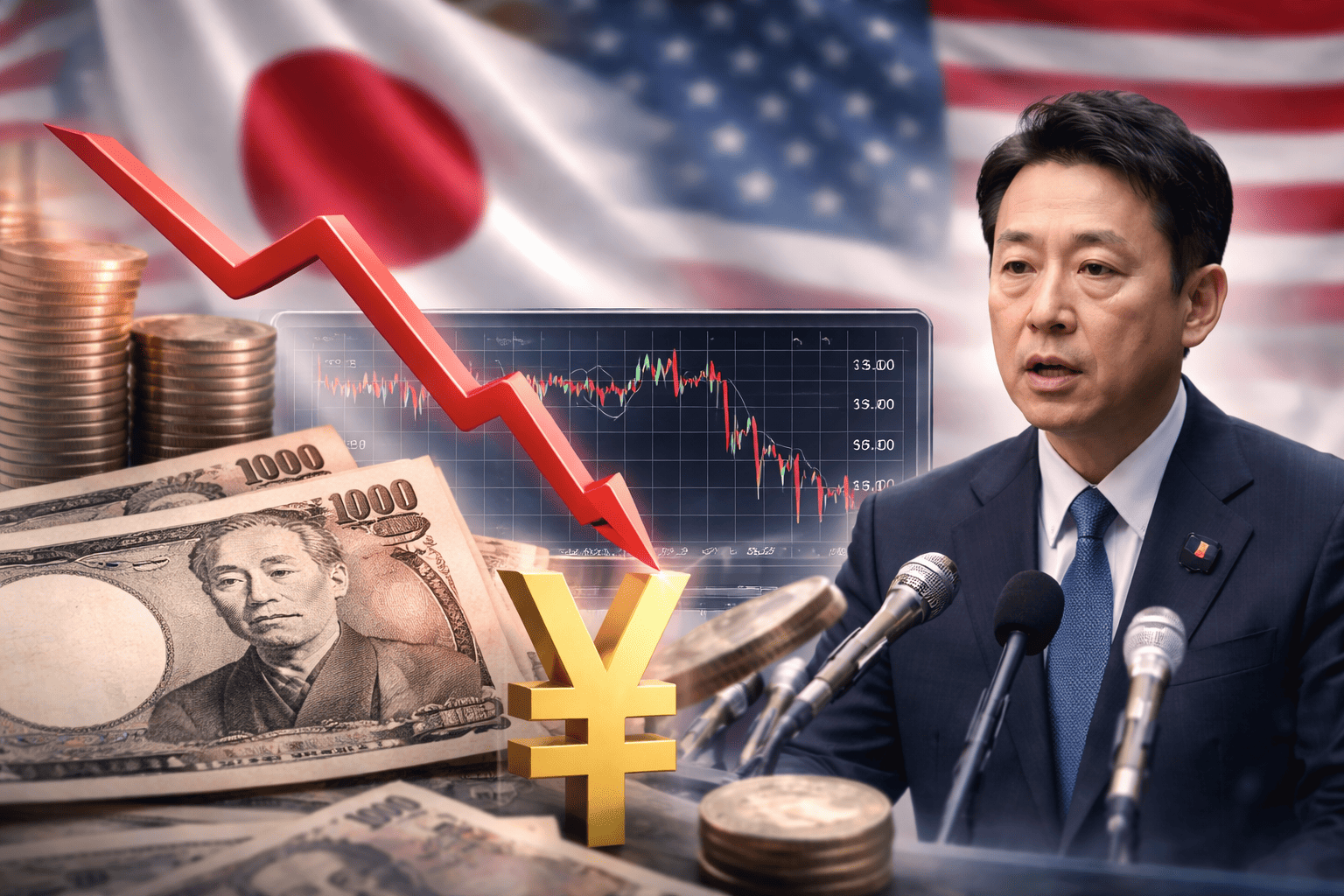
In a statement that has captured the attention of currency traders, economists, and financial policymakers worldwide, Japan’s Chief Cabinet Secretary Minoru Kihara expressed serious concern over “unilateral, rapid” moves in the foreign exchange market. His remarks come amid recent episodes of heightened volatility for the Japanese yen, a currency that is both a major global trading pair and a traditional safe-haven asset. Kihara’s comments signal more than routine observation; they indicate a clear government awareness of the potential consequences of sudden, speculative, or imbalanced movements in the FX market and their broader implications for Japan’s economy and international financial stability.
Understanding Kihara’s Concerns
Kihara’s commentary was deliberate and measured. He noted that recent movements of the yen had been unusually rapid and one-sided, raising questions about whether such shifts were fully supported by underlying economic fundamentals. His reference to “one-sided” movements reflects concern over speculative pressures that could amplify volatility beyond what economic conditions would justify. Rapid shifts not anchored in fundamentals can create instability, increase uncertainty for businesses and investors, and complicate policymaking.
Although Kihara did not signal imminent intervention or provide specific levels for the yen, his remarks suggested that the government remains actively engaged with market participants and prepared to respond if conditions deteriorate. This approach indicates a strategy of cautious monitoring rather than reactive measures, aiming to influence market sentiment through communication while maintaining the credibility of Japan’s policy framework.
Why The Japanese Yen Is A Key Focus?
The Japanese yen occupies a unique position in global finance. It is one of the most actively traded currencies in the world, serving as both a major currency pair in foreign exchange markets and a safe-haven asset during periods of economic uncertainty. Consequently, volatility in the yen can influence global risk sentiment, international capital flows, and cross-border investments.
Historically, sudden or sharp movements in the yen have occasionally prompted direct or indirect responses from Tokyo authorities. However, actual interventions are rare due to potential diplomatic sensitivities and the risk of market misinterpretation. Past warnings from policymakers have typically stressed the importance of fundamentals and gradual adjustment rather than abrupt intervention. Kihara’s recent statement follows this precedent, combining caution with careful communication.
The yen’s value is influenced heavily by global interest rate differentials, particularly between Japanese government bonds and foreign debt instruments such as U.S. Treasuries. Divergences in monetary policy between the Bank of Japan and other major central banks can create pressure on the yen, which is often exacerbated during periods of heightened global risk sentiment. As such, Kihara’s focus on rapid, one-sided movements reflects awareness of these broader macroeconomic forces.
Market Reactions And Trading Dynamics
Following Kihara’s remarks, the foreign exchange market reacted noticeably. The USD/JPY currency pair saw modest fluctuations as traders recalibrated positions in response to the statement. Such reactions illustrate the influence that senior policymakers’ commentary can have, even when no immediate action is taken.
Rapid, one-sided moves in currency markets are often amplified by algorithmic trading, leveraged positions, and crowded speculative trades. When many traders follow similar strategies, unexpected statements from policymakers can trigger sharp short-term adjustments. Kihara’s remarks likely prompted traders to reconsider risk exposure, reassess positions, and hedge against potential volatility. These dynamics demonstrate the intersection of policy guidance and market psychology in determining short-term currency behavior.
Japan’s Policy Tools Beyond Words
While verbal intervention is a key tool in Japan’s FX management, direct currency intervention remains a serious step considered only when excessive volatility threatens economic stability. Such interventions involve the purchase or sale of yen by authorities to influence its value. While effective in some situations, interventions carry diplomatic and economic risks, making them a measure of last resort.
Other Japanese officials have also emphasized readiness to respond to abnormal currency swings. Previous statements from finance ministry officials have indicated that appropriate actions would be taken if market conditions became destabilizing. These measures form part of a broader policy framework designed to maintain currency stability while balancing domestic economic priorities with international obligations.
The Japanese economy faces long-term structural challenges, including demographic shifts, trade imbalances, and low growth pressures. Exchange rate stability plays a crucial role in mitigating these challenges. A weaker yen may support exports but increase import costs and inflationary pressures. Policymakers must therefore balance external competitiveness with domestic economic stability when assessing the need for intervention or guidance.
International Implications
Kihara’s statement also carries significant international implications. The yen’s movements influence global markets, central banks, and investors who monitor Japanese policy signals closely. Sudden or one-sided currency fluctuations can affect global capital flows, commodity prices, and cross-border investment strategies.
Japan’s emphasis on fundamental-driven currency movements aligns with international expectations that exchange rates should largely reflect economic conditions rather than speculative pressures. Excessive FX volatility can strain trade relationships, disrupt financial planning, and create spillover effects in interconnected global markets. As one of the largest economies in the world, Japan’s approach to managing its currency can impact broader economic stability and confidence among international investors.
Given Japan’s large holdings of foreign assets, shifts in the yen can also affect the valuation of Japanese portfolios abroad. A sharply weakening yen, for instance, could increase the value of foreign holdings in local currency terms but also affect asset yields, equity markets, and global investment correlations. These dynamics highlight the importance of careful monitoring and measured communication by Japanese authorities.
Broader Economic Context In Japan
Kihara’s comments must also be understood in the context of Japan’s broader economic landscape. The Bank of Japan has gradually adjusted monetary policy after years of ultra-loose measures. These shifts, combined with global interest rate movements, influence yield differentials and currency pressures.
Domestic political developments also play a role in shaping currency sentiment. Discussions regarding fiscal policy, tax reforms, and public spending can affect growth projections, inflation expectations, and monetary policy outlook, which in turn impact the yen. Policymakers must therefore coordinate both domestic and international considerations when guiding the currency market.
Japan’s economy, facing low inflation and demographic challenges, depends on carefully managed exchange rates to balance export competitiveness, import costs, and overall financial stability. Kihara’s warnings signal that authorities are acutely aware of these challenges and are seeking to mitigate undue FX volatility before it threatens broader economic objectives.
Looking Ahead
Going forward, market participants are expected to watch Japanese official statements closely. Kihara’s emphasis on vigilance and engagement suggests that Tokyo will maintain a proactive approach to FX monitoring. Traders and analysts will likely interpret subsequent commentary as signals of either tolerance for market fluctuations or potential readiness for intervention if necessary.
Investors will also monitor economic indicators, central bank statements, and interest rate trends both domestically and internationally. Any unexpected changes in global risk sentiment, geopolitical events, or macroeconomic data could amplify existing currency pressures, making careful monitoring and communication by authorities even more critical.
Conclusion
Japan’s Chief Cabinet Secretary Minoru Kihara’s warning about one-sided and rapid foreign exchange movements underscores the delicate balance policymakers must maintain between market freedom, currency stability, and economic health. His remarks demonstrate the government’s awareness of the risks posed by speculative activity and its commitment to close monitoring and measured communication.
In a global financial environment where information spreads rapidly and markets react instantly, even verbal guidance from senior officials can influence trading behavior and investor confidence. Japan’s approach, focused on careful observation and dialogue, reflects a nuanced strategy designed to protect domestic economic interests while maintaining credibility and stability on the international stage.